A Different Conversation About Women’s Health
Women’s health is complex because women are complex. Here, Marcia Jones, NP explores the connections between hormones, midlife health, metabolism, stress, modern healthcare and the workplace—bringing nearly 30 years of healthcare experience to the questions women are asking and the conversations healthcare needs to be having.
EXPLORE THE LATEST INSIGHTS
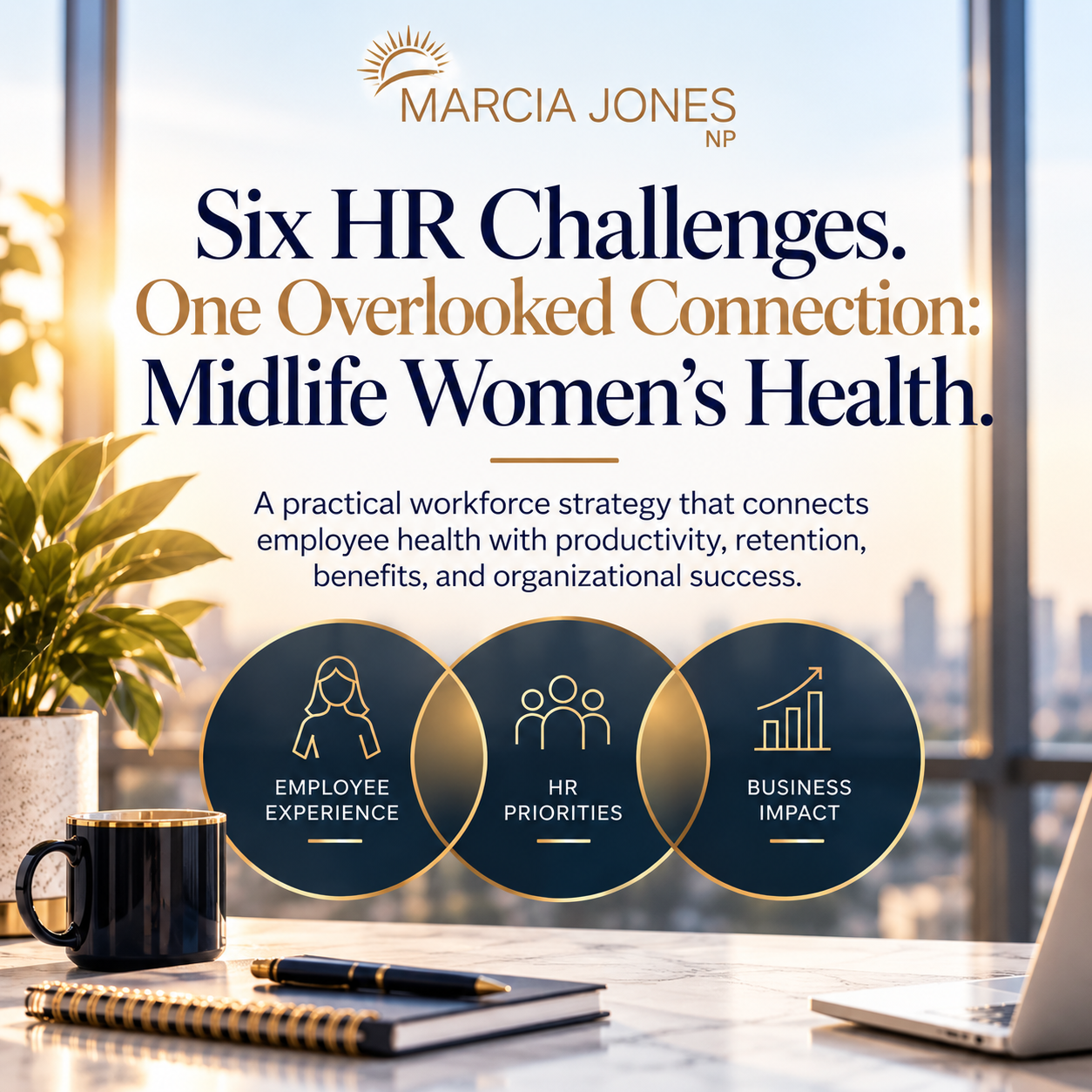
Six HR Challenges. One Overlooked Connection: Midlife Women's Health
What if several of HR's biggest challenges are more connected than they appear? From productivity and employee engagement to benefits utilization and retention, midlife women's health intersects with six important workforce priorities. Discover how one integrated strategy can help employers connect the dots, reduce stigma, strengthen employee loyalty, and make better use of existing resources—without adding another complicated wellness initiative
Menopause Workplace Accommodations: What Employers Need to Know
Workplace accommodations for perimenopause and menopause are becoming an important conversation for employers. As awareness grows and legislation evolves, HR and benefits leaders have an opportunity to rethink how they support women's health, protect valuable talent, and create workplaces where experienced women can continue to thrive.
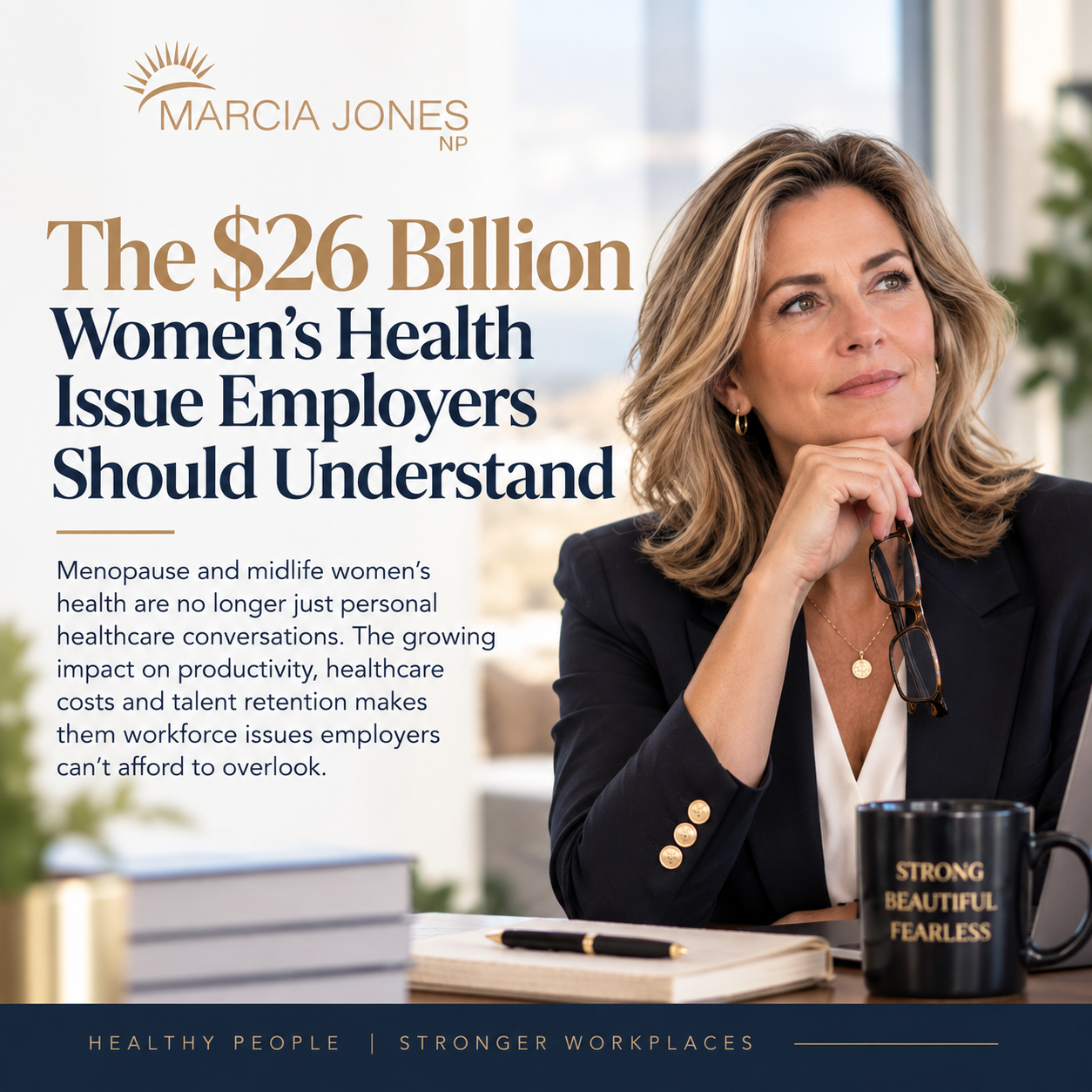
The $26 Billion Women’s Health Issue Employers Should Understand
Menopause is no longer just a personal health issue—it’s a workforce issue. With an estimated $26 billion annual U.S. economic burden from medical costs and lost work time, employers have a compelling reason to understand how midlife women’s health affects productivity, retention, and experienced talent.
Why Women’s Health Is Now a Workplace Priority
Women’s health is rapidly becoming a workplace priority. As states introduce new initiatives and employers expand midlife health support, HR and benefits leaders have an opportunity to get ahead of the shift—supporting women while strengthening retention, productivity, and the workforce.
The Cost of Doing Nothing: Why Midlife Women’s Health Is a Workforce Issue
Midlife women are often at the height of their professional experience just as their health needs begin to change. Yet perimenopause and menopause remain largely absent from workplace wellness conversations. The result may be showing up in lost productivity, absenteeism, healthcare costs, burnout, and retention. It’s time for HR and wellness leaders to ask a different question: What is it costing organizations when midlife women’s health goes unrecognized and unsupported?
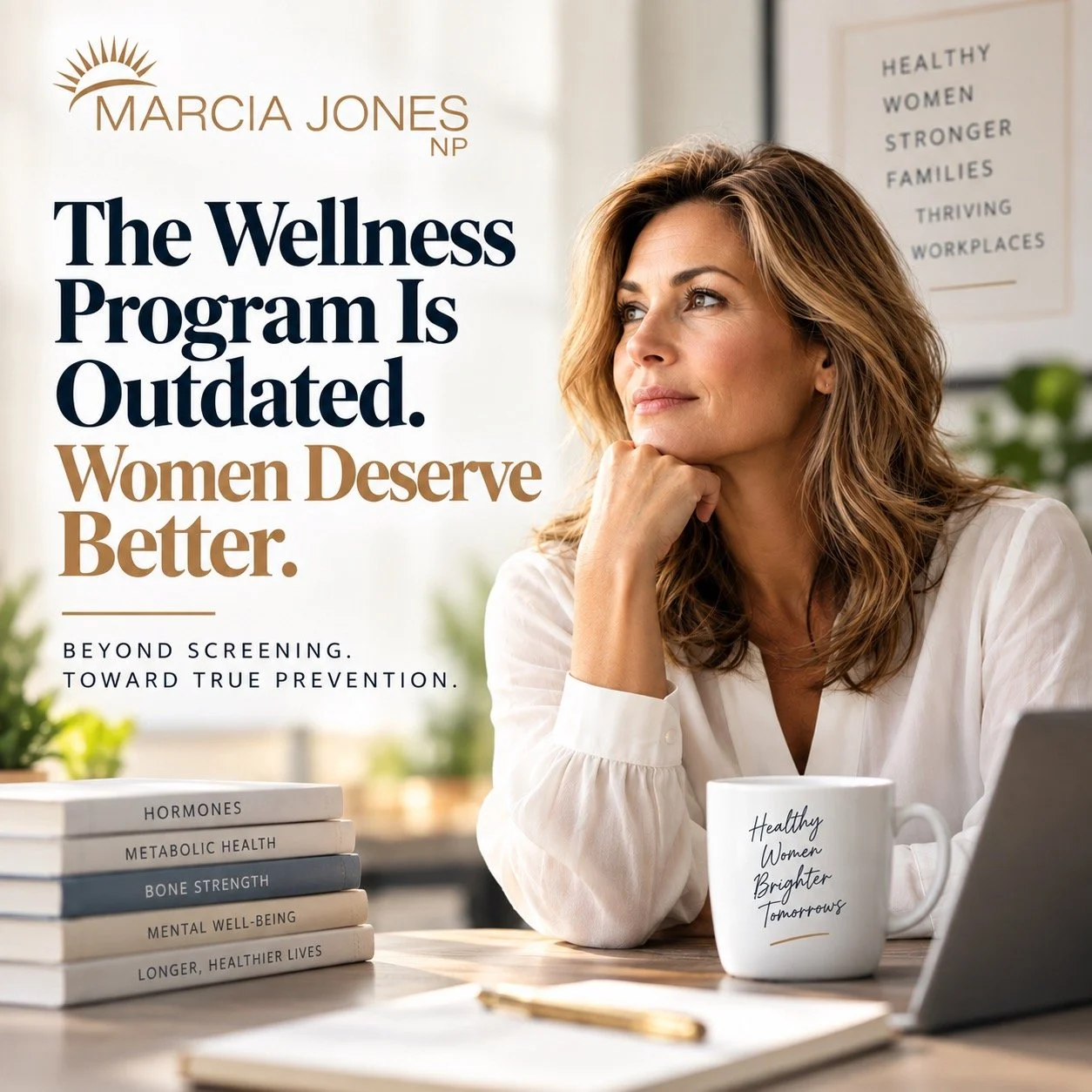
The Wellness Program Is Outdated. Women Deserve Better.
Traditional wellness programs are good at screening for disease—but are they actually helping women build health? Women’s needs change across the lifespan, particularly during midlife. It’s time to rethink prevention, hormones, metabolic health, muscle, bone health and what true wellness for women should look like.
The Midlife Advantage: Why Supporting Women’s Health May Be One of the Smartest Workforce Investments We Make
Midlife women represent some of the most experienced, knowledgeable and influential people in today’s workforce. Yet workplace wellness programs often fail to address how health needs change throughout a career. Supporting women through the hormonal, metabolic and health transitions of midlife isn’t about accommodating weakness—it’s about protecting experience, optimizing health and unlocking the full potential of a valuable workforce.

"I was diagnosed with breast cancer 2 years ago and went through all of the recommended treatments. My oncologist had no recommendations for me to prevent a recurrence other than keep my annual appointments and get mammograms. I am honestly terrified of my cancer returning. The thoughts consumed my life and I desperately needed help to overcome my fears and answers to my questions of what I could do. Thank you so much Marcia for listening to me, answering my questions, and getting me on the path to cancer recovery. I can actually sleep at night now, knowing you are there for me."

MARY, Z